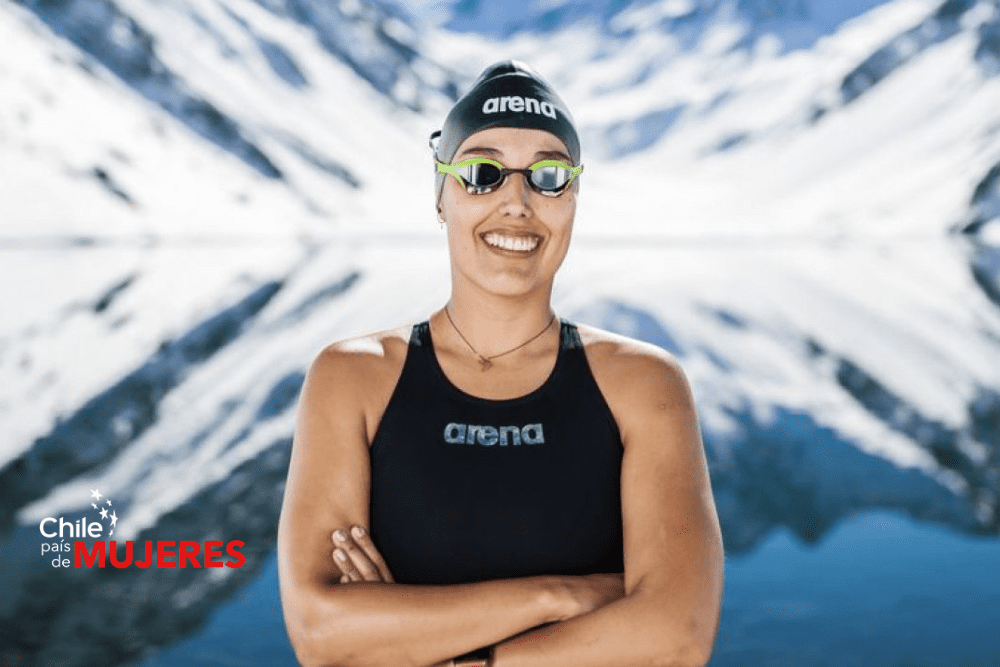


The nicknamed "Ice Mermaid", who recently swam the Sea of Japan for almost 12 hours, analyzes the role of women in sports and in our country.
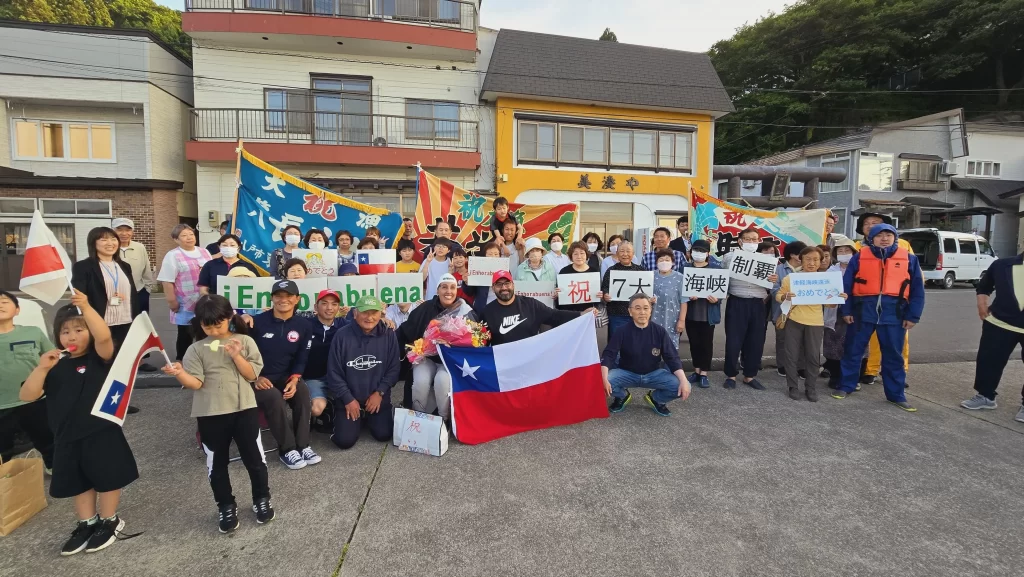
Winner of two Guinness records, world champion in swimming in freezing waters and the first South American to swim across seven seas on five continents. The last challenge was 11 hours and 36 minutes in the Sea of Japan "far from the most complex swim, the conditions were very hard", recalls Bárbara Hernández (38).
But the swimmer prefers to say that "my greatest achievement is perseverance". A quality that allowed her to be the first generation to go to university in her family, to graduate as a psychologist from the University of Chile, to complete the challenge of the seven seas and to participate recently in the expedition that swam around the island of Maui in Hawaii. Together with twelve other competitors from six continents in a relay of 260 km in total, this crusade sought to raise awareness about the care and protection of the oceans. The nicknamed "Ice Mermaid" is a fervent defender of the environment and one of many women in the country who contribute to Chile's image in the world.
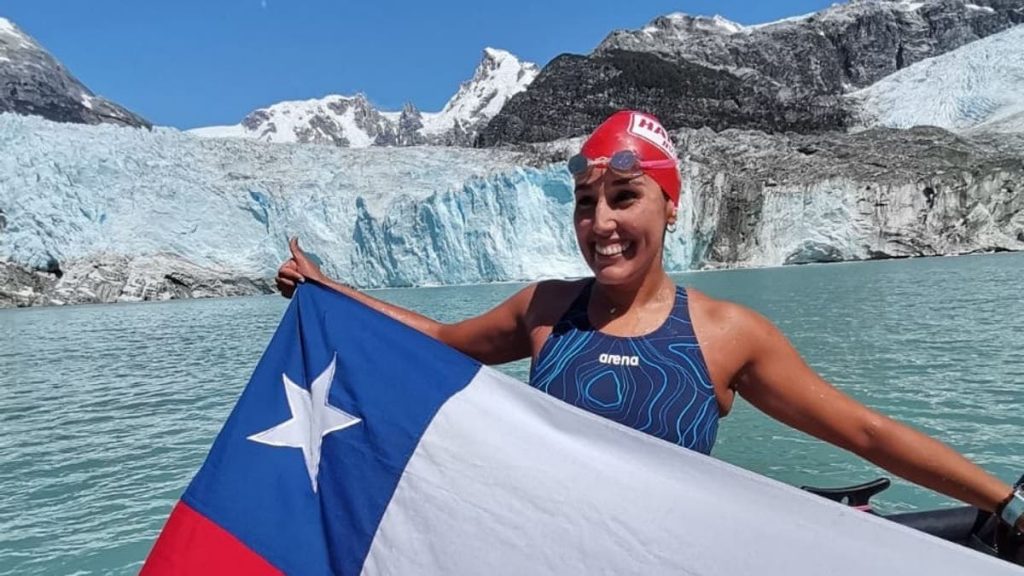
"I've always loved swimming," says the athlete, who dives into lakes and seas at zero degrees of temperature. She came to ice swimming as a derivative of open water swimming, and after a race on the Perito Moreno glacier.
Icy water swimming is an extreme sport, it is often highlighted more when a woman does it, do you agree with that?
I think that swimming in icy waters is an extreme sport and being a woman in this context, with nature and the complexities that this has, attracts much more attention, because women, historically, are more associated with this weaker or more vulnerable image. So, from the sport together with nature, to dedicate yourself to this is a tremendous privilege.
In the current context of Chile and the world, do you think that gender equity is something important?
Gender equity is something fundamental because it also invites us to dream and build a reality in which we are all part of and can access, above all, to the same opportunities; to be able to develop in the areas we want and that there are no restrictions at birth.
Has Chile advanced in terms of gender equity and how do you notice it?
Chile has advanced in terms of gender equity, although we still have a lot of work to do. I notice it in how girls and women of all ages dare to dream, to work for those dreams and to build exactly the life they choose to live. We continue to work to build a more equitable society, where gender equality is a reality and every woman can reach her full potential, inspiring future generations to follow that path.
What role do women play in the construction of the Chilean identity?
Women are key in the construction of the Chilean identity, not only from the traditional roles or historically linked to our native peoples, but also how they have broken different barriers and have been building in different areas a world in which they can dare to imagine a woman in those positions, those places or performing different activities that would have been unthinkable before.